The single thing that separates results from wasted money in this category: knowing your actual hair loss pattern before you spend a dollar on anything.
Most people skip that step. They grab whatever supplement has the best packaging, wait four months, see marginal change, and give up. A smarter approach starts with understanding where your hairline actually stands, what stage of thinning you are dealing with, and whether a supplement is even the right tool for your situation.
What I Looked At
Before getting into picks, here is what drove the selections:
- Ingredient evidence. Is there published research, or just marketing claims?
- Dosage transparency. Proprietary blends that hide amounts are a red flag.
- Realistic expectations. Supplements are supportive, not replacements for proven Rx options like finasteride or minoxidil when those are appropriate.
- Price-to-dose ratio. Cost per month at the recommended serving.
- Who it is actually for. Men, women, diffuse thinning, or specific deficiencies.
The Picks
1. HairLine AI (Free Assessment Tool, Start Here)
Not a supplement itself, but the most practical first entry on this list. Before you buy anything, knowing your Norwood stage changes the entire game. HairLine AI is a free, browser-based tool that takes a photo from your webcam or an upload, reads your facial geometry using MediaPipe, and classifies your hair loss stage using a Gemini 3 Pro vision model. It also spits out a rough graft estimate and cost range if a transplant is even in the picture. No account, no credit card, no waiting room. The output is informational, not a medical diagnosis, and the tool itself is clear that a dermatologist should guide any actual treatment. But as a neutral, zero-friction starting point before committing to a supplement stack or a prescription program, nothing else in this space comes close to that combination of speed and specificity.
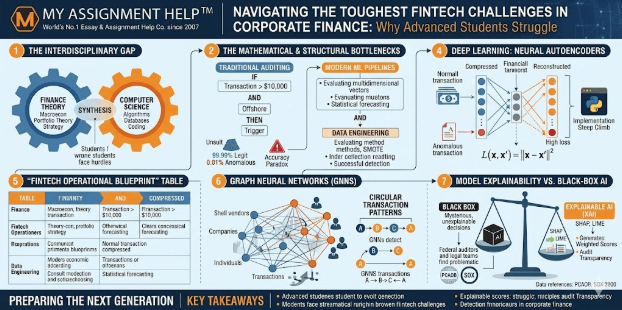
See also: The Hardest Concepts in FinTech Operations: Why Advanced
2. Nutrafol (Men’s or Women’s Core)
Nutrafol is one of the few supplement brands with published clinical data. A 2018 study in the Journal of Drugs in Dermatology showed statistically significant improvements in hair growth and quality at six months. The formula centers on a patented Synergen Complex: ashwagandha, saw palmetto, marine collagen, and a bioavailable form of curcumin. Around $88 per month at full price, though subscription drops that to $79. It is not cheap, and the ingredient list is long enough that isolating what is driving any individual result is difficult. Still, for a supplement in this category, having any peer-reviewed trial puts it ahead of most competitors.
3. Viviscal Extra Strength
Viviscal has been around since the early 1990s and the core ingredient is AminoMar, a proprietary marine protein complex derived from shark and mollusk powder. Multiple small trials show increases in terminal hair count over six months, particularly in women with thinning hair. One tablet twice daily, roughly $50 per month. People with shellfish allergies should skip it entirely. Not suitable for vegans or vegetarians either. For women dealing with diffuse thinning rather than a receding hairline, this has one of the longer track records of any OTC supplement.
4. Sports Research Biotin 10,000 mcg
Plain biotin gets dismissed in a lot of circles, and fairly so for people who already get enough from diet. However, biotin deficiency is more common than assumed, and it measurably affects hair and nail quality when you are actually deficient. Sports Research uses a softgel with coconut oil for better absorption, costs around $20 for 120 softgels, and third-party tested for label accuracy. If your diet is low in eggs, nuts, and organ meats, this is one of the cheaper gaps to close before spending more on multi-ingredient formulas.
5. Keranique Hair Regrowth Treatment (2% Minoxidil)
Technically an OTC topical, not an ingestible supplement, but it belongs in any honest list aimed at women. Keranique is one of the few women-specific products built around 2% minoxidil, the only FDA-approved topical ingredient for female-pattern hair loss. Results take at least three to four months to show, must be continued indefinitely, and stop when you quit. It is not a supplement in the vitamin sense, but if thinning is visible at the part line, this has more clinical backing than any capsule on this list.
6. Zhou Hairfluence
A budget-friendly multi-ingredient option at around $20 per month. Contains biotin, bamboo silica, collagen, keratin, and a B-vitamin complex. No proprietary blends hiding doses. For someone starting out who wants to cover basic nutritional gaps without spending $80 a month, this is a reasonable entry point. It is not going to stop androgenetic alopecia on its own. But as a base layer under a more targeted approach, the ingredient transparency and price point are genuinely good.
How to Choose
Match the tool to the problem. Diffuse thinning from nutritional gaps responds to supplements. Genetic pattern hair loss needs finasteride, minoxidil, or both, guided by a clinician. Start with an honest assessment of your stage, fill any obvious nutritional holes, and escalate to medical options if the pattern demands it.
Common Questions
Does Nutrafol actually work, or is the clinical data too thin to trust?
The 2018 Journal of Drugs in Dermatology trial showed statistically significant improvements, but it was small and industry-funded. That is better than nothing, which is what most competitors have. Expect modest improvement after six months of consistent use, not a dramatic reversal. It works best for diffuse thinning tied to stress or nutritional gaps, not advanced androgenetic alopecia.
Can you take Viviscal and a biotin supplement like Sports Research at the same time?
Yes, and there is no known interaction between them. Viviscal’s AminoMar complex targets marine protein delivery, while standalone biotin addresses a different nutritional gap. That said, stacking supplements without knowing your baseline deficiencies means you are guessing. A simple blood panel for biotin, ferritin, and vitamin D first saves money and removes the guesswork.
How accurate is HairLine AI compared to a dermatologist’s Norwood assessment?
HairLine AI uses a Gemini 3 Pro vision model and MediaPipe geometry to classify Norwood stage from a photo, which is genuinely useful for getting oriented before any appointment. It will not catch scalp conditions, miniaturization patterns, or early diffuse thinning the way a trained eye can. Treat the output as a starting framework, not a clinical verdict.
Is Zhou Hairfluence a real alternative to Nutrafol, or just a cheaper formula with weaker doses?
Zhou Hairfluence discloses all ingredient amounts, which Nutrafol’s Synergen Complex does not fully do. The formulas are not equivalent, Nutrafol includes ashwagandha and curcumin at studied doses, while Hairfluence leans on biotin, silica, and keratin. For someone with no clinical deficiencies and a limited budget, Hairfluence covers the basics. For someone with measurable stress-related shedding, Nutrafol’s formula is more targeted.
At what point should someone using Viviscal or Nutrafol switch to minoxidil instead?
If you have been consistent with a supplement for six months and the part line is still widening or the temples are visibly receding, you are likely dealing with androgenetic alopecia rather than nutritional shedding. Supplements do not block DHT. That is when a clinician visit and a conversation about minoxidil or finasteride makes more sense than adding another capsule to your routine.
Sources
- Journal of Drugs in Dermatology, 2018, Nutrafol clinical trial
- Viviscal efficacy studies, Journal of Clinical and Aesthetic Dermatology, 2015
- FDA, approved treatments for androgenetic alopecia, public database
- MediaPipe documentation, Google AI, public
- American Academy of Dermatology, hair loss overview, public guidelines