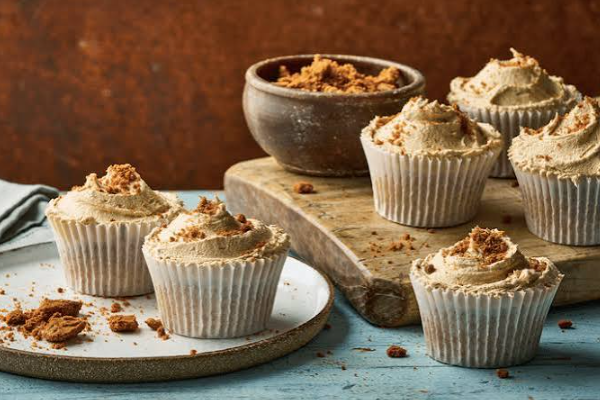
There is a small detail that separates a plain home-baked cake from one that looks like it came from a professional bakery. It is not an expensive tool or a complicated technique. It is a handful of tiny, colourful rods, sold as immies scattered over the top at just the right moment. These little candy pieces add colour, texture and a sense of celebration, and they cost very little. For anyone who bakes at home, they are one of the easiest ways to make a simple treat look special.
What These Little Rods Actually Are
The topping in question is a small, rod-shaped piece of sweetened candy, usually made from sugar, starch and colouring. Each piece is only a few millimetres long, and they are sold in a huge range of colours, from single shades to rainbow mixes. They are firm when dry, slightly crunchy when bitten, and they soften slowly when they come into contact with moisture.
Because they are so small and light, they sit neatly on soft icing, buttercream, ganache and melted chocolate. They are also popular on ice cream, doughnuts and dessert tables, where their bright colours stand out against pale backgrounds. The best way to think of them is as decoration first and flavour second. They add a gentle sweetness and a light crunch, but their real job is to make the finished bake look finished.
When you are shopping, look for products with even colouring and a consistent size, since uneven pieces can look messy once scattered. These little rods are a good example of the classic rod shape that works well on most cakes and cupcakes. Check the ingredients if anyone eating the bake has an allergy, and store the packet somewhere cool and dry so the colours stay bright.
Timing Matters More Than You Think
The most common mistake with this topping is adding it at the wrong moment. Sprinkle the pieces onto wet icing and they will stick, but they will also start to absorb moisture and their colours may bleed into the frosting. Wait until the icing has set completely and they will simply roll off. The trick is to find the middle point, when the surface is still slightly tacky but not wet.
For buttercream, that usually means waiting a few minutes after spreading, then pressing the pieces gently into the surface. For a chocolate topping, add them while the chocolate is still soft but no longer runny. On a glazed doughnut, a light sprinkle while the glaze is setting works well. If you are decorating a large cake, work in sections so the first side does not set before you reach the last.
Colour, Theme and Restraint
Colour choice makes a bigger difference than most people expect. A rainbow mix suits birthdays and casual parties, while a single colour or a pair of matching shades looks more polished for a wedding, a baby shower or a formal gathering. Pastel mixes suit spring and Easter, warm golds and reds suit autumn, and a simple white and silver mix can look elegant on a winter cake.
Restraint is important. A light, even scattering looks deliberate and professional, while a thick pile in the middle looks careless. Hold your hand a little higher above the cake and let the pieces fall naturally, rather than pouring them from the packet. Step back and look at the whole cake before adding more, because it is easy to add extra pieces and very hard to take them off without marking the icing.
Storage, Freshness and Everyday Uses
These toppings keep well when they are stored properly. Keep the packet sealed, away from heat, sunlight and humidity. A kitchen cupboard is usually fine, but a damp shelf near the sink is not. Once opened, a resealable bag or a small airtight jar will keep them crisp for months. If they feel sticky or clump together, they have absorbed moisture and are best replaced.
Frequently Asked Questions
1. Will the colours bleed into the icing?
They can, especially on wet buttercream or cream cheese frosting. To reduce bleeding, add the pieces when the icing is just tacky rather than wet, and serve the cake soon after decorating. Avoid storing a decorated cake in a humid fridge for a long time, since moisture encourages the colours to spread. If the cake must be made ahead, decorate it as close to serving time as possible.
2. Are these toppings suitable for children?
In general, yes, they are a popular choice for children’s parties and baking projects. However, always check the ingredients for allergens such as milk, wheat or soy, and read the label for any warnings. Small children should be supervised while eating, as with any small, hard sweet. If you are unsure, ask the supplier for full ingredient information before buying.
3. How much should I use on a cake?
Less than you might expect. A light, even layer across the top is usually enough, and a few pieces on the sides add a finished look without overwhelming the design. Start with a small handful and step back to judge the effect before adding more. For cupcakes, a pinch per cake is plenty, and the result will look neat rather than crowded.
Conclusion
A small handful of colourful candy rods can turn a plain home bake into something that looks made for a celebration. The secret is not the topping itself, but the care with which it is used: choosing colours that suit the occasion, adding them at the right moment, and stopping before the cake looks crowded. Keep the packet sealed and dry, check the ingredients when needed, and let children help with the decorating. With those simple habits, even a basic sponge or a tray of cupcakes can look like it came from a bakery, and taste all the better for being made at home.